



Why Some Cats Don't Respond to Silvervine (And What to Try Instead)
By Lynn Bahr, DVM
So you finally did it. You got a tin of silvervine, sprinkled some on your cat’s favorite toy like you’re a contestant on Top Chef, and waited.
Maybe your cat walked over, gave it one solid sniff, and walked away. Maybe they didn’t seem to notice it at all.
If you’ve seen videos of cats rolling, rubbing, and acting completely captivated by silvervine, it’s easy to expect the same result from your cat. But the truth of the matter is that cats don’t all experience silvervine the same way.
Just as cats have different personalities, hunting styles, and favorite spots to nap, they also respond differently to scents. Some become enthusiastic before you even finish sprinkling it on a toy. Others fall somewhere in the middle. Some just prefer something else entirely. And none of those responses mean there is anything wrong with your cat.
Knowing and understanding those differences can teach you a great deal about your cat.

Silvervine IRL vs Social Media
You might come across a video of a cat going nuts over silvervine. There are tons of hearts. The comment section is full of hilarious remarks, and you start to wonder why your cat doesn’t cause a ruckus when they interact with silvervine.
But remember what we just covered: not all cats react the same way. Our hypothetical internet kitty is simply showing us one end of the response spectrum.
Many cats respond much more quietly. They may pause to investigate, rub their cheek against a toy, stay a little longer than usual, carry a toy away, or simply seem more interested in playing than they were before.
Those quieter moments can be easy to miss, but don’t dismiss them. They still count.
Why Cats Respond Differently
Scientists do not yet know every reason one cat responds differently from another. Differences in scent perception and individual preference may help explain some of the variation, and researchers have also proposed personality and possible genetic differences in olfactory receptors as contributing factors. But no single gene or receptor variation has been established as the reason a cat responds—or does not respond—to silvervine. [1,2]
Many cats respond strongly to silvervine, including cats that show little or no interest in catnip. Others may react only mildly, while some may show little or no interest at all. [1]
Age may play a role, but there is no established age when cats begin responding to silvervine. Some young cats do respond, while others may show little or no interest and become interested later. [2]
Personality may play a role, too. Some cats eagerly investigate every new scent, while others prefer to observe first and decide later.
Sometimes We Miss the Signs
Not every enjoyable experience is dramatic.
Pretend you leave a toy sprinkled with silvervine in the living room before heading up to bed. The next morning, you notice the toy has somehow relocated to under the dining room table.
Cats often explore when the house is quiet—including, yes, during their nighttime parkour sessions. A mysteriously relocated toy can be a pretty good clue that it wasn’t ignored after all.
A Few Simple Things Can Make a Difference
- Offer silvervine during a quiet, relaxed time.
- Keep it fresh by storing it in a tightly sealed container.
- Try different presentations, such as powder, silvervine-filled toys, or silvervine sticks.
- Leave a lightly scented toy behind and let your cat discover it on their own.
Common Mistakes to Avoid
Avoid using more silvervine than necessary. If your cat walks away, don’t keep placing it directly in front of them.
Don’t assume the first introduction predicts every future encounter, and don’t expect a big dramatic response just because that’s what social media tends to show.
If silvervine has been left open or poorly stored, try a fresh, properly stored product before deciding your cat simply isn’t interested.
What If My Cat Still Isn’t Interested?
Sometimes the answer is simply that silvervine isn’t their favorite.
Some cats are enthusiastic about silvervine. Others prefer catnip. Some show more interest in valerian root or Tatarian honeysuckle. Others are far more motivated by movement than scent. [1]
Learning what captures your cat’s attention is so much more valuable than trying to force or recreate another cat’s experience.
Other Natural Scents to Explore
Catnip remains the classic favorite, though not every cat responds to it. Valerian root has a distinctive earthy aroma that some cats enjoy, and Tatarian honeysuckle has also been shown to interest some cats, including cats that do not respond to catnip. In research, individual cats showed different preferences across these plants. [1]
How Long Does It Take Cats to Respond to Silvervine?
Some cats become interested almost immediately after discovering silvervine. Others may show little interest the first time and become more curious on a later introduction. Some may never show much interest at all.
If your cat walks away the first time, don’t assume they’ve made a permanent decision. Put the silvervine away and try again another day in a calm, familiar setting.
You don’t need to convince your cat to like silvervine. The point is to give them the opportunity to decide for themselves.
Every Cat Has Their ‘Thing’
If there’s one thing cats are wonderfully consistent about, it’s that they love proving us wrong.
The toy we were certain they’d ignore becomes their favorite. The expensive bed goes untouched while they happily nap in the shipping box. The scent one cat can’t resist barely earns a second glance from another. It’s part of their charm.
Whether your cat loves silvervine, prefers another scent, or would rather chase a crumpled piece of paper across the floor, every discovery helps you learn a little more about what they enjoy and how they choose to engage.
We wouldn’t have it any other way.

Want More?
New to silvervine? Start with The Complete Guide to Silvervine for Cats (Matatabi) for a complete overview of how silvervine works, how to use it safely, and how to choose the right products for your cat.
You may also enjoy:
- Is Silvervine Safe for Cats?
- Silvervine vs. Catnip
- How to Use Silvervine for Cats
- Choosing the Right Silvervine for Your Cat
Scientific References
The information in this article is based on peer-reviewed research and current understanding of feline response to cat-attracting plants. As new research becomes available, our recommendations may continue to evolve.
-
Bol S, Caspers J, Buckingham L, Anderson-Shelton GD, Ridgway C, Buffington CAT, Schulz S, Bunnik EM. Responsiveness of cats (Felidae) to silver vine (Actinidia polygama), Tatarian honeysuckle (Lonicera tatarica), valerian (Valeriana officinalis) and catnip (Nepeta cataria). BMC Veterinary Research. 2017;13(1):70. doi:10.1186/s12917-017-0987-6.
-
Bol S, Scaffidi A, Bunnik EM, Flematti GR. Behavioral differences among domestic cats in the response to cat-attracting plants and their volatile compounds reveal a potential distinct mechanism of action for actinidine. BMC Biology. 2022;20(1):192. doi:10.1186/s12915-022-01369-1.
About the Author
Lynn Bahr, DVM
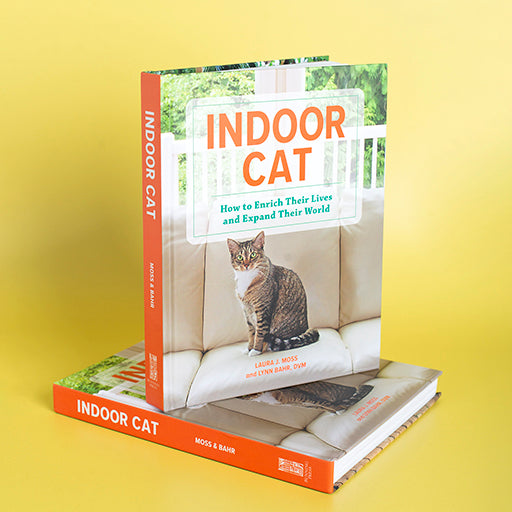
Dr. Bahr is a feline veterinarian, founder of Dezi & Roo, and author of Indoor Cat: How to Enrich Their Lives and Expand Their World. She is passionate about helping cat guardians better understand and care for their cats.
This article is intended for educational purposes and is not a substitute for individualized veterinary advice. If you have questions about your cat’s health or a specific medical condition, consult your veterinarian.