



Make Every Sprinkle Count: How to Use Silvervine for Cats
By Lynn Bahr, DVM
If you've stumbled down the rabbit hole of cat enrichment—specifically cat attractants and scent enrichment—you've likely come across something called silvervine. Which is probably why you're here reading this... hi and welcome!
Cats rely heavily on their sense of smell to investigate the world around them, which is why scent can add such an interesting layer to play and mental stimulation. Adding a sprinkle of silvervine creates an opportunity for your cat to investigate, play, rub, stretch, roll, scratch, or simply enjoy an interesting new scent.
Incorporating silvervine into your cat's life is pretty simple, and there are plenty of ways to use it.
Just a Pinch Will Do
One of the biggest surprises we hear when it comes to silvervine is just how little is actually needed. A small pinch or light dusting is usually enough to add scent to a toy or play surface.
Think of it like adding a spice to your food. You wouldn't dump an entire jar of salt onto dinner, right? Same goes for silvervine.
Using more has not been shown to create a stronger or longer response, so ultimately extra powder is mostly just extra powder to clean up.
Let Your Cat Discover It Naturally
When I'm trying to pick out a new candle, I'll open lid after lid in the candle aisle and give each scent a good whiff to see which one makes my nose happy. You'd think with scent enrichment, your cat would appreciate getting a good whiff of silvervine right into their tiny heart-shaped nose, right?
Maybe. But our suggestion is to make it more fun.
Just like sorting through all those candles to find the winning scent, part of the fun for your cat can be discovering where that interesting smell is coming from. It's called a cat attractant for a reason, after all.
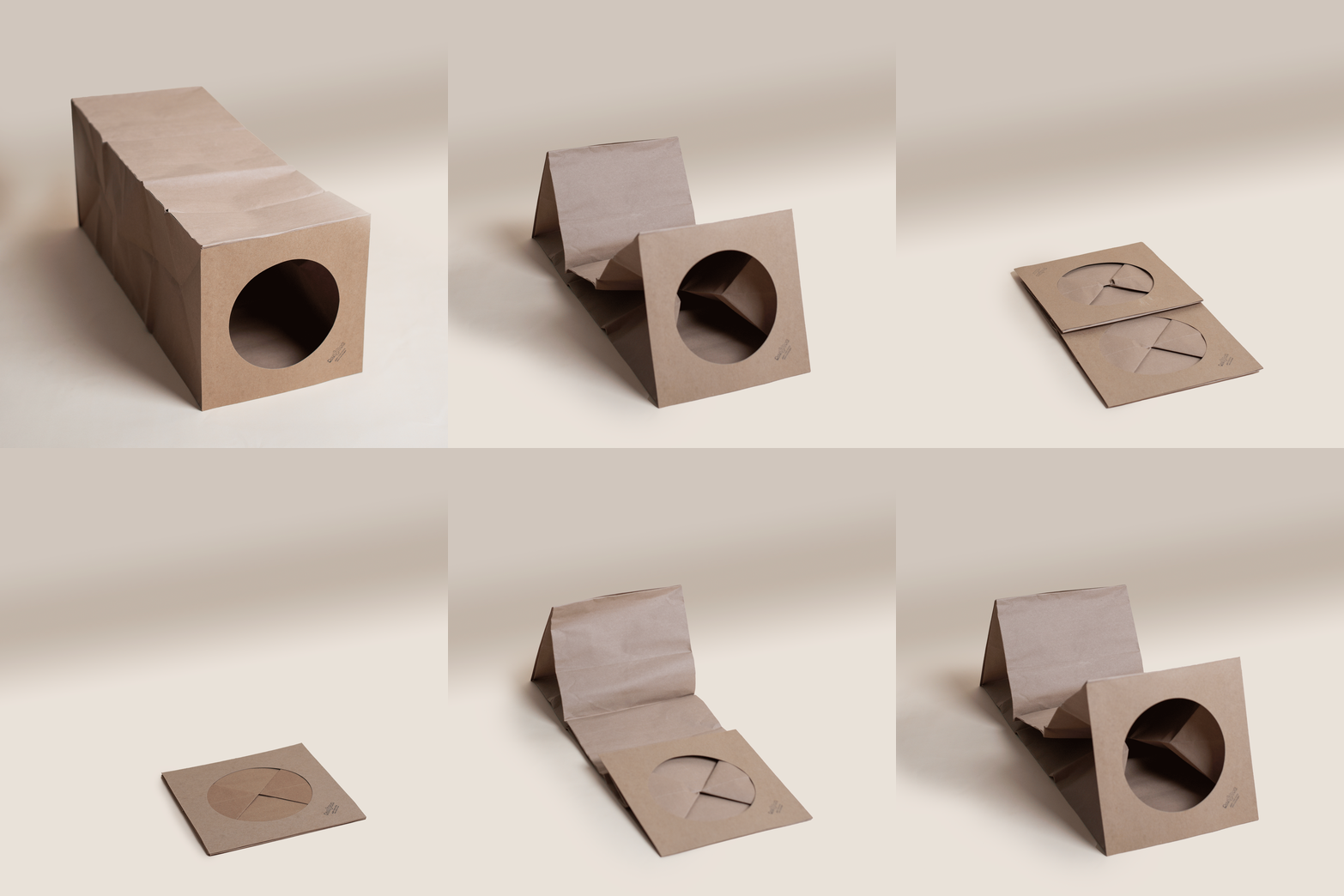
Sprinkle a small amount onto a favorite toy, scratching post, cardboard scratcher, play mat, or even a crumpled piece of paper tossed on the floor, and then let the discovery happen on its own. These small surprises encourage exploration without requiring you to actively participate.
This is what we mean by independent discovery play: you create the opportunity, and your cat decides when and how to investigate it. Your cat might investigate right away or they may approach cautiously, wander away, and return a little later. Any of those responses can be perfectly normal.
Refresh Favorite Toys
My personal favorite way to use silvervine is to give old toys new life because even beloved toys eventually lose their novelty.
I like to "marinate" some of my cats' fabric toys. I place a plush, wool, or felt toy in a sealable bag, add a light dusting of silvervine, give the bag a gentle shake, and leave it for several hours or overnight. Before offering the toy, shake off any obvious loose excess. It's an easy way to make an old favorite worth investigating again.
A Little Love for the Scratch Post
A scratching post is another great place to use a cat attractant like silvervine.
Sprinkle a little near the bottom where your cat can rub against the base of the post, or dust a little higher to encourage a biiiig stretch while they investigate. Don't be surprised if your cat stops by for a sniff...and stays for a scratch.
The Dreaded Carrier
For many cats, the carrier predicts that something is about to happen and not necessarily something they voted for. Silvervine can be one small part of helping the carrier become a more familiar part of everyday life.
Whenever possible, leave the carrier out in a familiar area rather than keeping it tucked away until the day of an appointment. The goal is for your cat to see it as part of the furniture instead of an announcement that a stressful trip is coming.
Occasionally sprinkle a small amount of silvervine inside on a towel or blanket when no trip is planned, and let your cat investigate on their own. Over time, these low-pressure experiences may help your cat develop a more positive association with the carrier.
Don't be surprised if it eventually becomes a nap spot.
Silvervine should not be used to force or trick a frightened cat into the carrier when it is time to leave. If your cat is fearful of the carrier, repeated positive experiences—and sometimes a more structured carrier-training plan—are the better approach.
Rotate Silvervine to Keep It Special
Too much of a good thing is, well, less good. Research suggests that cats may become less responsive when the same cat-attracting scent is available continuously [2]. That does not mean daily use has been shown to be unsafe.
As practical Dezi & Roo guidance, offering silvervine once or twice a week works well for many households and may help preserve novelty. Keep in mind ths is merely suggestion, not a scientific dose or a required schedule for your cat.
You can also rotate silvervine with catnip, other scent experiences, movement-based play, or days without added scent at all. Mixing things up and variety is part of what keeps play (and life) interesting.
What Does a Normal Response Look Like?
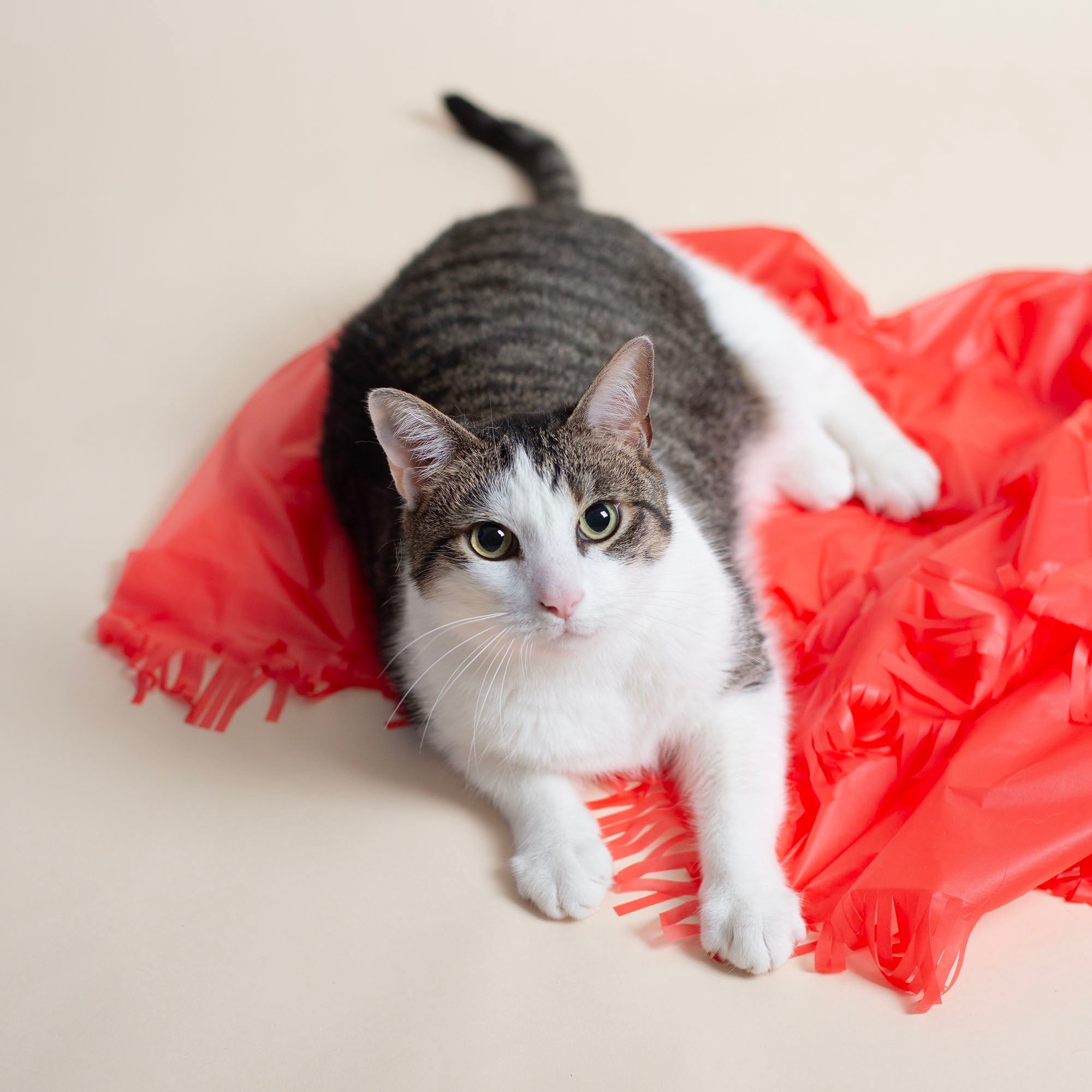
Responses to cat attractants vary, and silvervine is no different. Cats may sniff, rub, roll, stretch, drool, lick, paw at or hold a toy, chew, kick with their hind feet, or become playful after encountering silvervine [1,3]. Some may groom or rest afterward.
Intensity isn't as important as whether your cat appears interested and is enjoying the experience. Quiet investigation can count just as much as a dramatic floor-rolling performance.
TL;DR: Silvervine 101
- Use a small pinch or light dusting.
- Put it somewhere your cat can discover it rather than pushing it toward their nose.
- Let your cat investigate at their own pace.
- For many households, once or twice a week is a simple way to help keep the experience novel.
- A quiet sniff-and-walk-away response can be just as normal as rolling and zoomies.
A Pinch, a Curious Nose, and a New Adventure
Silvervine really can be that simple: use a little, make it discoverable, and let your cat decide what happens next. Sometimes a new adventure starts with nothing more than a pinch and a curious nose.
Frequently Asked Questions
How much silvervine should I use?
Start with a small pinch or light dusting. There is no scientifically established household dose, and more has not been shown to create a stronger or longer response.
Can I sprinkle silvervine directly on my cat?
We recommend putting it on toys, scratchers, beds, or other suitable surfaces instead. That gives your cat the choice to approach—or not.
Can I use silvervine every day?
It can be offered regularly, but continuous exposure may make the scent less novel for some cats [2]. For many households, once or twice a week is a simple practical rhythm for keeping it interesting.
Can kittens use silvervine?
Kittens may show little or no interest in silvervine, although some young cats do respond. Research has not established a specific age when a silvervine response begins [2]. A kitten who ignores it now may become interested later.
Should I put silvervine in my cat's food?
No. Silvervine is intended for scent play, not as food. Do not mix it into meals or treats.
Is it okay if my cat licks or eats a little silvervine?
Small amounts licked during normal interaction are generally not considered a concern, but silvervine is intended for scent play—not as something your cat should make a meal out of. For more on safe use, see Is Silvervine Safe for Cats?
What if my cat just sniffs it and walks away?
That's perfectly normal. Some cats respond dramatically, some subtly, and some show little or no interest. If you're wondering why, see Why Some Cats Don't Respond to Silvervine.
Can I combine silvervine with catnip?
Yes. You can use both. If you're trying to learn which scent your cat prefers, offer them separately first. Our Silvervine vs. Catnip guide explains the differences.
How should I store silvervine?
Keep silvervine powder tightly sealed, dry, and away from excessive heat and direct sunlight. Replace the lid promptly after use to help retain the scent and protect it from moisture.
Want More?
New to silvervine? Start with The Complete Guide to Silvervine for Cats (Matatabi) for a complete overview of how silvervine works, how to use it safely, and how to choose the right products for your cat.
You may also enjoy:
- Is Silvervine Safe for Cats?
- Silvervine vs. Catnip
- Why Some Cats Don’t Respond to Silvervine
- Choosing the Right Silvervine for Your Cat
Scientific References
1. Bol S, Caspers J, Buckingham L, Anderson-Shelton GD, Ridgway C, Buffington CAT, Schulz S, Bunnik EM. Responsiveness of cats (Felidae) to silver vine (Actinidia polygama), Tatarian honeysuckle (Lonicera tatarica), valerian (Valeriana officinalis) and catnip (Nepeta cataria). BMC Veterinary Research. 2017;13:70. doi:10.1186/s12917-017-0987-6.
2. Bol S, Scaffidi A, Bunnik EM, Flematti GR. Behavioral differences among domestic cats in the response to cat-attracting plants and their volatile compounds reveal a potential distinct mechanism of action for actinidine. BMC Biology. 2022;20(1):192. doi:10.1186/s12915-022-01369-1.
3. Uenoyama R, et al. Assessing the safety and suitability of using silver vine as an olfactory enrichment for cats. iScience. 2023;26(10):107848. doi:10.1016/j.isci.2023.107848.
About the Author
Lynn Bahr, DVM
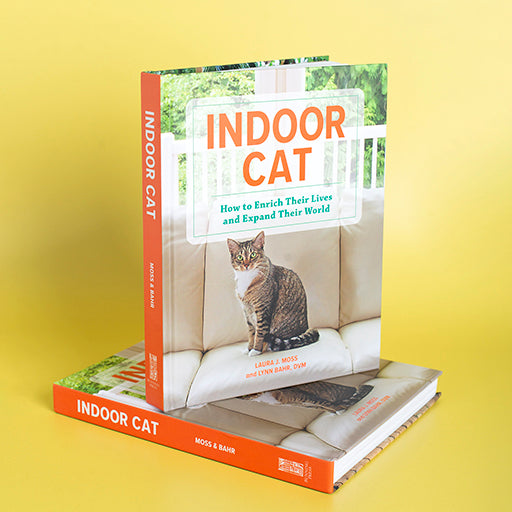
Dr. Bahr is a feline veterinarian, founder of Dezi & Roo, and author of Indoor Cat: How to Enrich Their Lives and Expand Their World. She is passionate about helping cat guardians better understand and care for their cats.
This article is intended for educational purposes and is not a substitute for individualized veterinary advice. If you have questions about your cat's health or a specific medical condition, consult your veterinarian.