


Choosing the Right Silvervine for Your Cat
By Lynn Bahr, DVM
Before silvervine became a powder in a tin, a stick in a toy, or an ingredient in a blend, it was just another climbing vine growing in the mountains of East Asia.
For centuries, people noticed something special about this plant; cats seemed drawn to it.
Somewhere along the way, people noticed something special about this plant: cats seemed drawn to it. Like many discoveries about cats, it probably started with someone paying attention to what the cat chose.
Today, silvervine is available in powders, sticks, dried plant material, toys, fruit-gall products, and blends.
Being the well-informed cat parent that you are (you’re reading this post after all), which one should you choose?
The reassuring answer: there isn’t one perfect choice!
Think of silvervine less as a product and more as an invitation. Each form invites your cat to interact with the plant in a different way.
Some enjoy rubbing against a lightly scented toy. Others prefer holding or chewing a stick. Some become fascinated by powder sprinkled onto a familiar object, while another cat may ignore that same presentation and investigate a different one.
You don’t have to find the form that every cat likes. You just need to figure out the one—or several—that your cat enjoys.

Understanding the Different Forms of Silvervine
Every silvervine product begins with the same species, Actinidia polygama, but products may contain different parts of the plant or present them in different ways.
Silvervine contains several naturally occurring compounds that can attract cats that are responsive to them. The mixture and concentration of those compounds can vary with the plant part, drying, processing, handling, and storage. That means two products labeled “silvervine” may not be chemically identical, which may help explain why responses vary from one cat to another.
Research does not support a single claim that one form is always best. Instead, the evidence shows that plant part and preparation matter, and of course your cat’s individual preference matters, too.
Ways Cats Experience Silvervine
Cats explore, play, and investigate in different ways. The way in which silvervine is presented changes the kind of opportunity being offered.
Sprinkle and Discover
Powder is one of the simplest and most flexible ways to introduce silvervine.
A small pinch can be sprinkled onto a favorite toy, a cardboard scratcher, a play mat, a crumpled tissue, or even a piece of paper. Because the scent stays where it is placed, powder allows cats to investigate at their own pace. Some approach immediately. Others return when curiosity gets the best of them.
Powder can also refresh an object or toy your cat already enjoys. It does not require your cat to become acquainted with a new toy, texture, or shape before discovering the scent.
A light dusting is usually enough. More powder has not been shown to create a better or longer response, and there is no scientifically established household “dose.” Start small and let your cat’s interest guide the experience.
Chew, Rub, and Carry
Silvervine sticks offer a more tangible and physical experience. Your cat may rub their cheeks against a stick, hold it between the front paws, carry it, lick it, or chew it.
Depending on your cat’s personal preferences, they might really enjoy this option. Or your cat might not be a chewer and may prefer powder or a scented toy.
Controlled research has not established that store-bought sticks are inherently unsafe, but since sticks are physical objects, we recommend inspecting them regularly and supervising your cat if they do chew vigorously. A stick that is splintering, fraying, or coming apart is a hazard, just like any other damaged toy.
Built Into Play
Silvervine can also be placed inside, infused into, or lightly applied to toys.
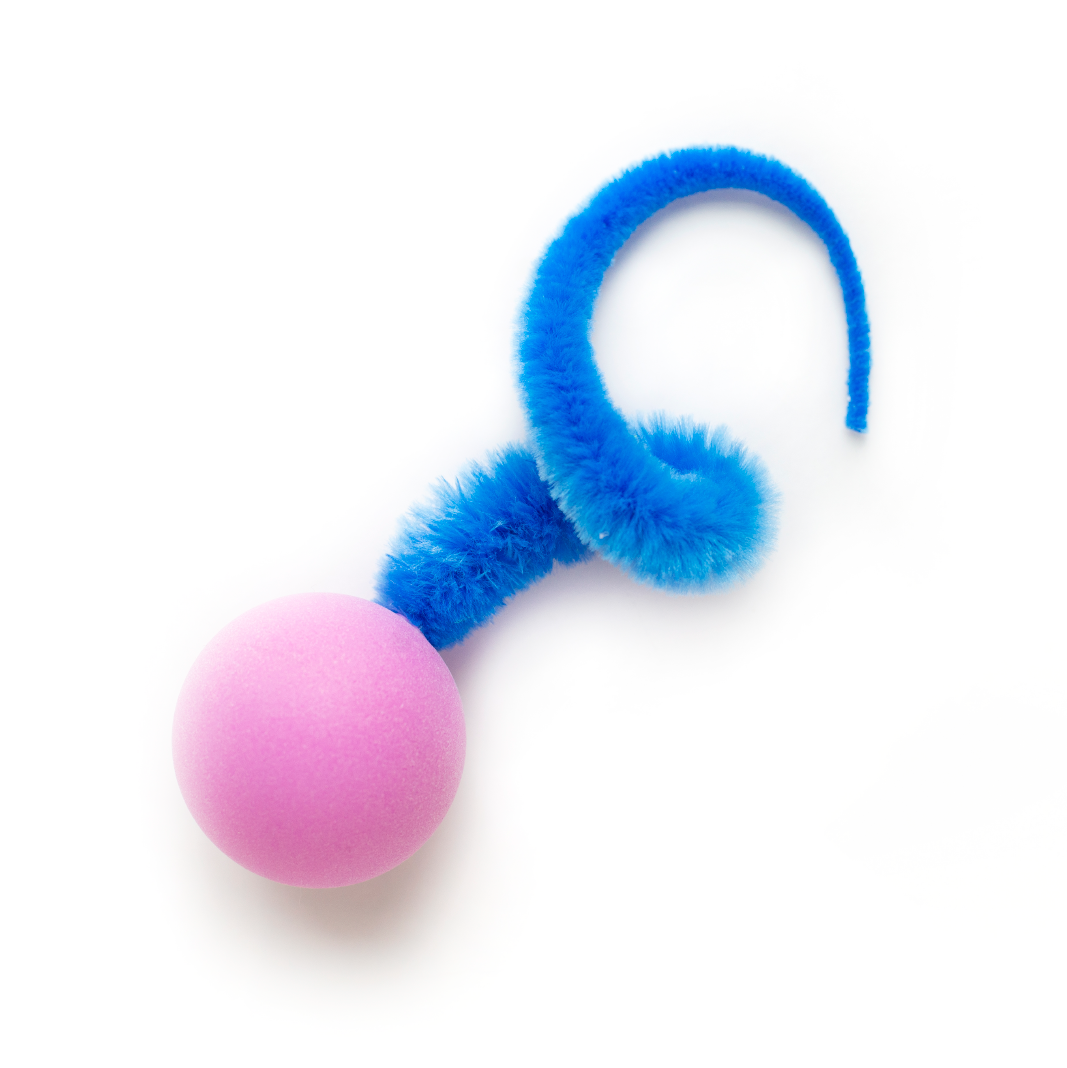
For some cats, the scent is the invitation and the toy becomes the adventure. If your cat likes bunny kicking, batting, pouncing, tossing, or carrying toys, they may take to a toy that combines scent with movement and texture.
Your cat may prefer spending more time rubbing against the toy than chasing it. Neither response is better. Remember, the most important part is giving your cat another way to investigate and choose.
Pure Silvervine or Blends?
Some products contain only silvervine, while others combine silvervine with catnip or additional botanicals.
Scent preferences naturally vary. Some cats enjoy both silvervine and catnip. Others show a clear preference for one. Some show little interest in either.
In one study of 100 domestic cats, 79% responded to the silvervine material tested, compared with 68% for catnip. Many of the cats that did not respond to catnip did respond to silvervine. [1] Those findings help explain why a blend may appeal to some cats, but they do not prove that combining the plants creates a stronger or universally better product.
If you are introducing silvervine to your cat for the first time, a product containing only silvervine can make it easier to see how your cat responds to the plant itself. Once you understand your cat’s preferences, you can offer other scents and combinations as additional opportunities.
Your cat’s response is a better guide than the length of the ingredient list.

Does the Part of the Plant Matter?
Yes—but like everything else we’ve covered so far—not in a way that gives us one simple winner.
Silvervine products may be made from leaves, woody stems, ordinary fruit, fruit galls, or combinations of plant material. These parts can differ in their chemical profiles, and preparation can change what is released into the air for a cat to smell.
In a small direct comparison reported in the 2017 study, eight of nine cats responded positively to dried silvervine fruit galls, while none responded positively to the ordinary dried fruit used in that test. The fruit galls also contained higher concentrations and a greater variety of several of the compounds studied. [1]
That makes fruit galls an especially interesting and appealing form for many cats, but it doesn’t prove that every fruit-gall product is identical or that leaves and sticks cannot work.
Japanese-led research has also shown strong feline responses to properly prepared silvervine leaves. In leaf studies, nepetalactol was identified as an important active compound, and physical damage from licking or chewing increased the amount and variety of airborne iridoids released from the leaves. [2,4]
So it’s fair to say there isn’t one part of the silvervine plant that is always more attractive to every cat. Plant part, preparation, and the individual cat all influence the experience.
What Exactly Is a Silvervine Fruit Gall?
A fruit gall is no ordinary silvervine fruit. It is a deformed fruit that develops after activity by a gall midge, a tiny insect. This changes the fruit’s chemistry, and the galls tested in research contained a richer mixture of several cat-attracting compounds than the normal fruit used for comparison.
Some powders, including our very own Cloud Nine Silvervine Powder, are made from silvervine fruit gall. This is not a guarantee that every cat will respond or react in the same way as other cats, or that every batch has a standardized concentration of active compounds.
Freshness, Processing, and Storage Matter
Drying, processing, handling, and storage can alter a plant product’s chemical profile. Recent research examining commercial silvervine has also found meaningful differences among products. [6] Those differences may help explain why a cat responds to one silvervine product but shows little interest in another.
There is no simple household test for potency, and a dramatic response does not prove that a product is objectively better. Still, keeping silvervine tightly sealed can help protect the aroma that invites a cat to investigate.
Keep silvervine tightly sealed.
Store it somewhere dry and away from excessive heat and direct sunlight.
Return the lid promptly after use.
If the scent on a toy has faded, another light dusting of powder can refresh it.
There Does Not Have to Be Just One
Sometimes people feel they need to find the perfect toy, the best treat, or the one correct form of silvervine. But your cat doesn’t necessarily experience the world that way.
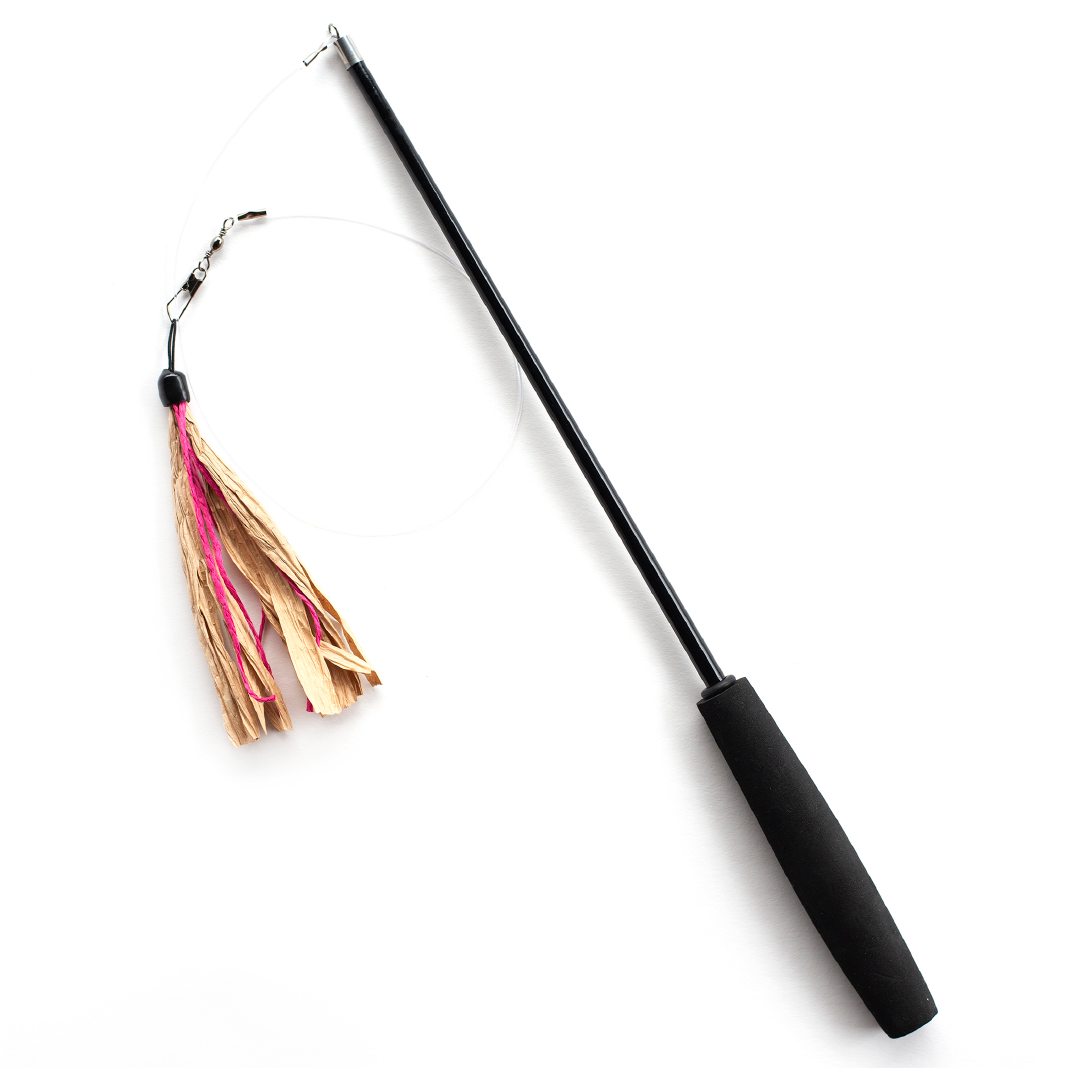
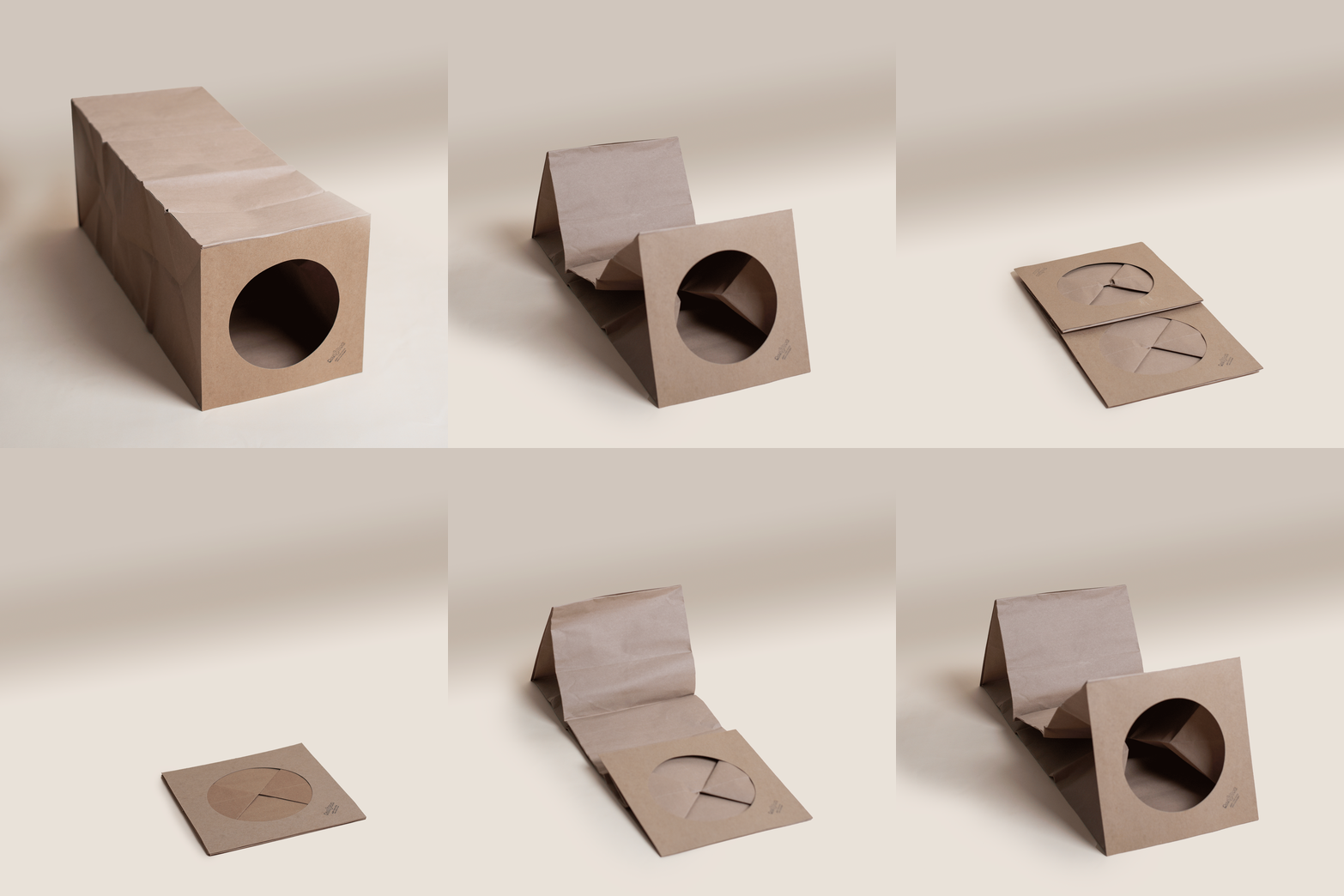
Every new scent, texture, sound, hiding place, climbing surface, and play experience is another opportunity to investigate and make a choice. On Monday your cat may be obsessed with a wand toy. Wednesday it might be a cardboard box. Later in the day, it could be a funny-looking crumpled piece of paper, a catnip kicker, or a toy lightly scented with powder.
None of those experiences replaces the others. Together, they help create a richer and more interesting world, especially for an indoor cat.
Offering variety is not frivolous or spoiling your cat (and so what if it is?!). Cats living indoors depend on us, their guardians, to provide many of the changing experiences they would otherwise encounter for themselves. Every cat deserves opportunities to discover what they enjoy.
How to Choose a Place to Start
You don’t need to have the perfect plan or strategy. Start with how your cat already likes to interact.
Your cat loves rubbing, rolling, or investigating surfaces: A light dusting of powder on a familiar object may be a natural starting point.
Your cat enjoys holding and chewing safe toys: A supervised silvervine stick may offer a different kind of interaction.
Your cat loves pouncing, carrying, kicking, or tossing: A silvervine-scented or refillable toy may pair scent with familiar play.
You want to learn whether your cat responds to silvervine itself: Begin with a single-ingredient silvervine product before exploring blends.
Your cat ignores the first form you offer: Try another presentation on a different day, then accept the answer your cat gives you.
Give your cat choices and notice what happens.

Frequently Asked Questions
Is silvervine powder better than silvervine sticks?
Not for every cat. Powder is easy to place on familiar toys and surfaces, while sticks invite rubbing, holding, carrying, and chewing. Current evidence does not establish one form as universally superior.
Do fruit galls work better than leaves?
Fruit galls produced strong responses in one small direct comparison with ordinary fruit, while woody material interested some cats in separate tests. Properly prepared leaves have also produced strong responses in research. Plant part and preparation matter, but individual cats still vary.
Are silvervine blends better than pure silvervine?
Not necessarily. A blend may interest a cat that enjoys more than one scent, but research does not show that combining ingredients creates a universally stronger product. A single-ingredient product can make it easier to see your cat’s response to silvervine itself.
Can I offer more than one form of silvervine?
Yes. Different forms create different opportunities. Offer them separately at first so you can learn what your cat prefers, and inspect or supervise chewable products as appropriate.
Why did my cat respond to one silvervine product but not another?
Plant part, preparation, processing, freshness, storage, presentation, and individual preference may all contribute. Scientists do not yet know every reason responses differ.
How should I store silvervine?
Keep it sealed, dry, and away from excessive heat and direct sunlight. Close the container promptly to help retain its aroma and protect it from moisture.
It’s Up to Your Cat
The best form of silvervine is not the one with the fanciest package, the most ingredients, or the boldest promise. It is the one that gives your cat an experience they choose to enjoy—powder today, toy tomorrow, a stick the next, or no silvervine at all.
Our role as cat parents isn’t to decide what your cat should love. It is to observe, listen, and keep creating opportunities to let your cat make the call.
Want More?
New to silvervine? Start with The Complete Guide to Silvervine for Cats (Matatabi) for a complete overview of how silvervine works, how to use it safely, and how to choose the right products for your cat.
You may also enjoy:
- Is Silvervine Safe for Cats?
- Silvervine vs. Catnip
- How to Use Silvervine for Cats
- Why Some Cats Don’t Respond to Silvervine
Selected Scientific References
-
Bol S, Caspers J, Buckingham L, Anderson-Shelton GD, Ridgway C, Buffington CAT, Schulz S, Bunnik EM. Responsiveness of cats (Felidae) to silver vine (Actinidia polygama), Tatarian honeysuckle (Lonicera tatarica), valerian (Valeriana officinalis) and catnip (Nepeta cataria). BMC Veterinary Research. 2017;13(1):70. doi:10.1186/s12917-017-0987-6.
-
Uenoyama R, Miyazaki T, Hurst JL, Beynon RJ, Adachi M, Murooka T, et al. The characteristic response of domestic cats to plant iridoids allows them to gain chemical defense against mosquitoes. Science Advances. 2021;7(4). doi:10.1126/sciadv.abd9135.
-
Bol S, Scaffidi A, Bunnik EM, Flematti GR. Behavioral differences among domestic cats in the response to cat-attracting plants and their volatile compounds reveal a potential distinct mechanism of action for actinidine. BMC Biology. 2022;20(1):192. doi:10.1186/s12915-022-01369-1.
-
Uenoyama R, Miyazaki T, Adachi M, Nishikawa T, Hurst JL, Miyazaki M. Domestic cat damage to plant leaves containing iridoids enhances chemical repellency to pests. iScience. 2022;25(7):104455. doi:10.1016/j.isci.2022.104455.
-
Uenoyama R, Ooka S, Miyazaki T, Mizumoto H, Nishikawa T, Hurst JL, Miyazaki M. Assessing the safety and suitability of using silver vine as an olfactory enrichment for cats. iScience. 2023;26(10):107848. doi:10.1016/j.isci.2023.107848.
-
Tay NE, Du B, Gillam TA, Thomas ML, Algar D, Fleming PA. Feral Cat Responses to Silver Vine: Implications for Feral Cat Management. Journal of Chemical Ecology. 2026;52(2):34. doi:10.1007/s10886-026-017
About the Author
Lynn Bahr, DVM
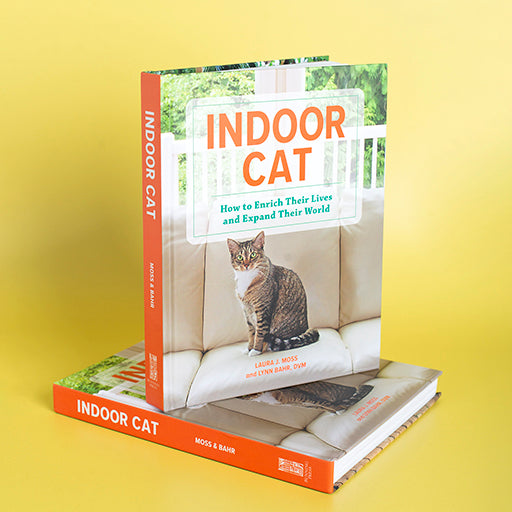
Dr. Bahr is a feline veterinarian, founder of Dezi & Roo, and author of Indoor Cat: How to Enrich Their Lives and Expand Their World. She is passionate about helping cat guardians better understand and care for their cats.
This article is intended for educational purposes and is not a substitute for individualized veterinary advice. If you have questions about your cat’s health or a specific medical condition, consult your veterinarian.