



Baby, it's Cold Outside! How to Temp Check Your Cat for Comfort
This might be a first world problem but have you ever considered how indoor temperature affects your cat? For our whiskered housemates, your home is their whole world, and subtle changes in climate can influence comfort, behavior, health, and even their fur.
Understanding how temperature interacts with your cats body and coat can help you create a home where your kitty can thrive year-round.

Cats are warm-blooded with an internal temperature around 100.5°F-102.5°F (38.05-39.16°C). But unlike humans, they don’t sweat over most of their bodies, instead they have only a few sweat glands in their paw pads. This means their behavior and environment are the main tools for staying comfortable. You've likely noticed:
-
In cooler spaces and temps, your cat will curl up or fluff their fur – this helps trap warmth.
-
In warmer spaces and temps, you cat will stretch out, seek cooler surfaces, or groom more; this helps dissipate heat.
Even without extreme outdoor weather, indoor cats respond to temperature in subtle ways.

Cats grow and shed their fur according to seasonal cues. Outdoors, cats often molt heavily in spring and grow thick undercoats for winter. Indoor cats, living in a relatively constant environment, experience these changes differently through light, temperature and humidity:
-
Light: The primary driver of shedding and coat thickness is daylight or photoperiod. Indoor lighting can blur these natural seasonal cues, leading many cats to shed more evenly throughout the year.
-
Temperature: While daylight drives the cycle, warmer or cooler indoor spaces can subtly affect how dense or fluffy a coat feels.
-
Humidity: Dry winter air can make fur feel rougher or more staticky, while high humidity can influence fur texture and shedding.
Actions speak louder than words and luckily, with a little bit of observation, we can get a solid sense of their comfort levels by locking in on their body language.
-
Too warm: Stretching out, seeking cool floors, or frequent grooming.
-
Too cold: Curling tightly, tucking paws, shivering, or seeking blankets and cozy hideouts.
By observing your cat and their behaviors, you can make adjustments to your environment to keep your kitty comfortable.

How to Keep Your Home Climate Cat-Friendly
-
Maintain a comfortable temperature: Experts recommend keeping indoor temperatures between 68°F–78°F (20–26°C) for most cats.
-
Provide cozy microclimates: Heated beds, blankets, or sunny perches allow cats to self-regulate.
-
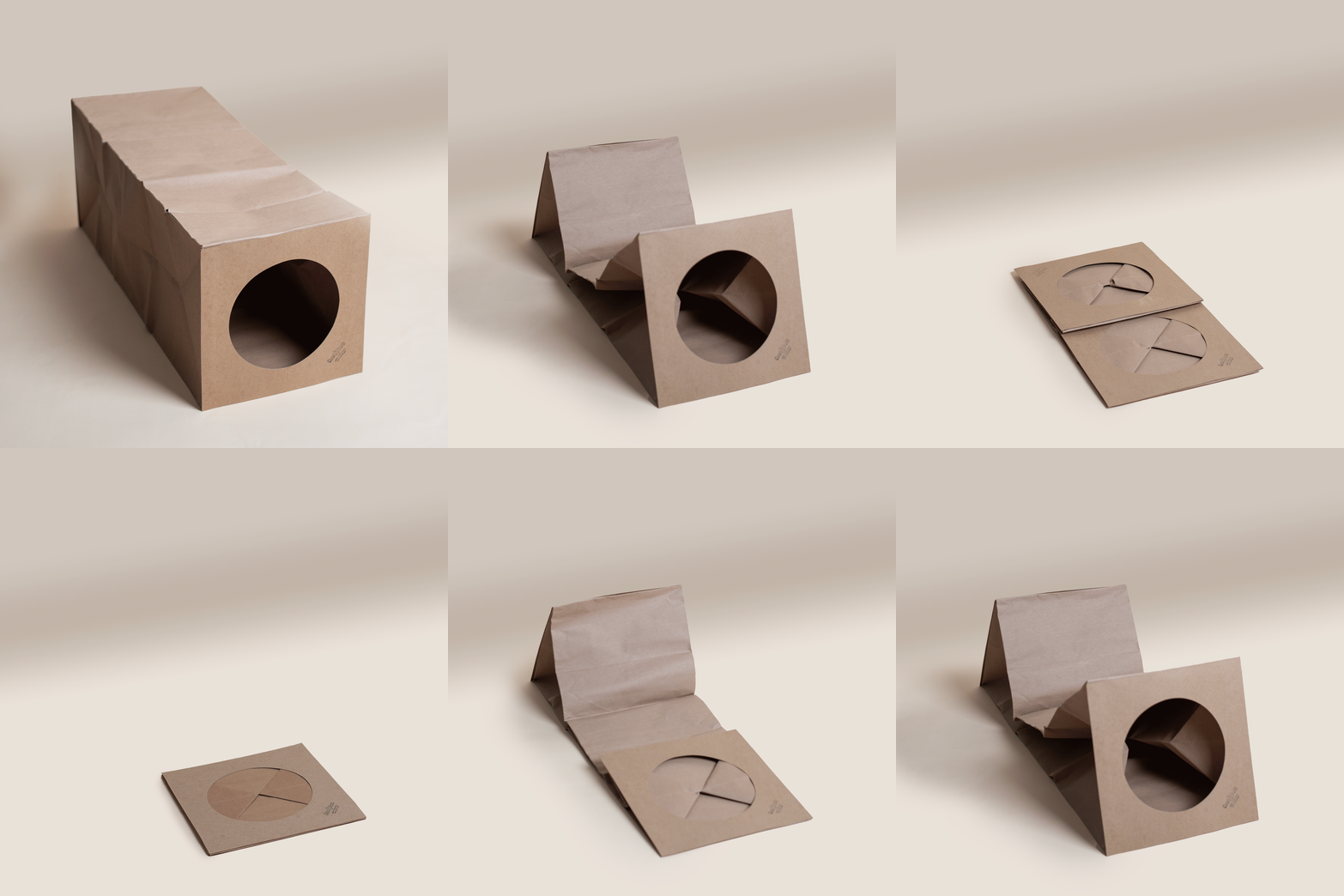
Offer hideaways like tunnels or boxes: Hide and Sneak tunnels, shipping boxes, paper grocery bags (don't forget to snip the handles) provide warmth, security, and comfort.
-
Monitor humidity: Aim for a mid-range (30–50%) to reduce static fur, skin dryness, and excessive shedding.
-
Watch their behavior: Your cat is the best judge of temperature; are they curling up like a shrimp, stretching out, or lounging in a particular spot? It'll tell you exactly how they're feeling and what they prefer.
-
Give 'em the brushies regularly: Indoor cats typically shed year-round, so brushing their fur helps manage loose tufts and keep those coats healthy.
By creating a comfortable climate with cozy hideaways, heated spots, and cool retreats, you’re supporting their natural thermoregulation, reducing stress, and promoting healthy fur and skin. When combined with attentive grooming and environmental observation, these small adjustments help your cat stay comfortable, healthy, and happy throughout each season.