




Remembering That One Scent
Have you ever caught a familiar scent and suddenly found yourself remembering someone you love?
My grandmother wore a potent Estée Lauder perfume, and to this day, I still remember her by the smell. When she passed away, I kept her bottles. Even now, all these years later, I can open one and feel her right next to me.
It’s ameowzing how something as simple as a scent can bring back a memory.
Cats experience the world through scent, too. We can’t assume their scent memories work exactly like ours, but we do know that familiar smells play an important role in how they recognize their surroundings, communicate, and feel comfortable in their environment.
And they’ve been putting those noses to work since the day they were born.
A Cat’s Sense of Smell Starts Early
Newborn kittens arrive with their eyes closed and their hearing still developing. Their sense of smell, however, is already helping them navigate life.
Research has shown that newborn kittens use scent cues to locate their mother’s nipples and begin nursing. As they develop, they also learn to recognize familiar smells associated with their mother.
Long before they can see the world clearly, their noses are helping them make sense of it.
And that reliance on scent continues throughout their lives.
Why Cats Rub Their Cheeks on Everything
Have you ever noticed your cat rubbing their cheek against a doorway, a favorite chair, or your leg?
That behavior is called bunting, and it’s one of the ways cats communicate through scent.
Cats have scent glands around their faces and on other parts of their bodies. When they rub against objects, they’re depositing chemical signals that help make their surroundings familiar.
These scent markings can become part of a cat’s recognizable home environment.
Cats who are comfortable with one another may also rub their faces or bodies together. And when your kitty gives your leg a good cheek rub, that friendly greeting may also leave behind a little feline calling card.
Apparently, even the furniture needs to know who lives here.
Familiar Scents Help Make a House Feel Like Home
We often think about making our homes comfortable for cats by providing soft beds, cozy hiding spots, and good places to watch the world.
But what about the smells?
A favorite blanket, well-loved toy, or familiar sleeping spot carries scents your cat already recognizes.
That’s one reason it’s helpful to preserve some familiar smells when introducing changes at home.
For example, placing a familiar blanket inside a carrier can help make it feel less unfamiliar. And when washing bedding, there’s usually no need to wash every favorite item at once.
Sometimes, what makes an object appealing isn’t how clean or new it is.
It’s that it smells like home—purr-fectly familiar.
New Smells Can Be Interesting—or Overwhelming
Cats are naturally curious, and unfamiliar scents can give them something new to investigate.
But not every smell we enjoy is pleasant or appropriate for our cats.
Strong perfumes, heavily scented cleaners, air fresheners, and certain essential oils can be irritating. Some concentrated essential oils can also be toxic to cats.
That doesn’t mean your home needs to be completely free of interesting smells. It means being thoughtful about which scents you introduce and giving your cat the choice to investigate or walk away.
A cat who sniffs something once and leaves has already made a decision.
And as every cat guardian knows, cats tend to be quite confident in their decisions.
Simple Ways to Encourage Scent Exploration
You don’t need complicated equipment to give your indoor kitty new things to investigate.
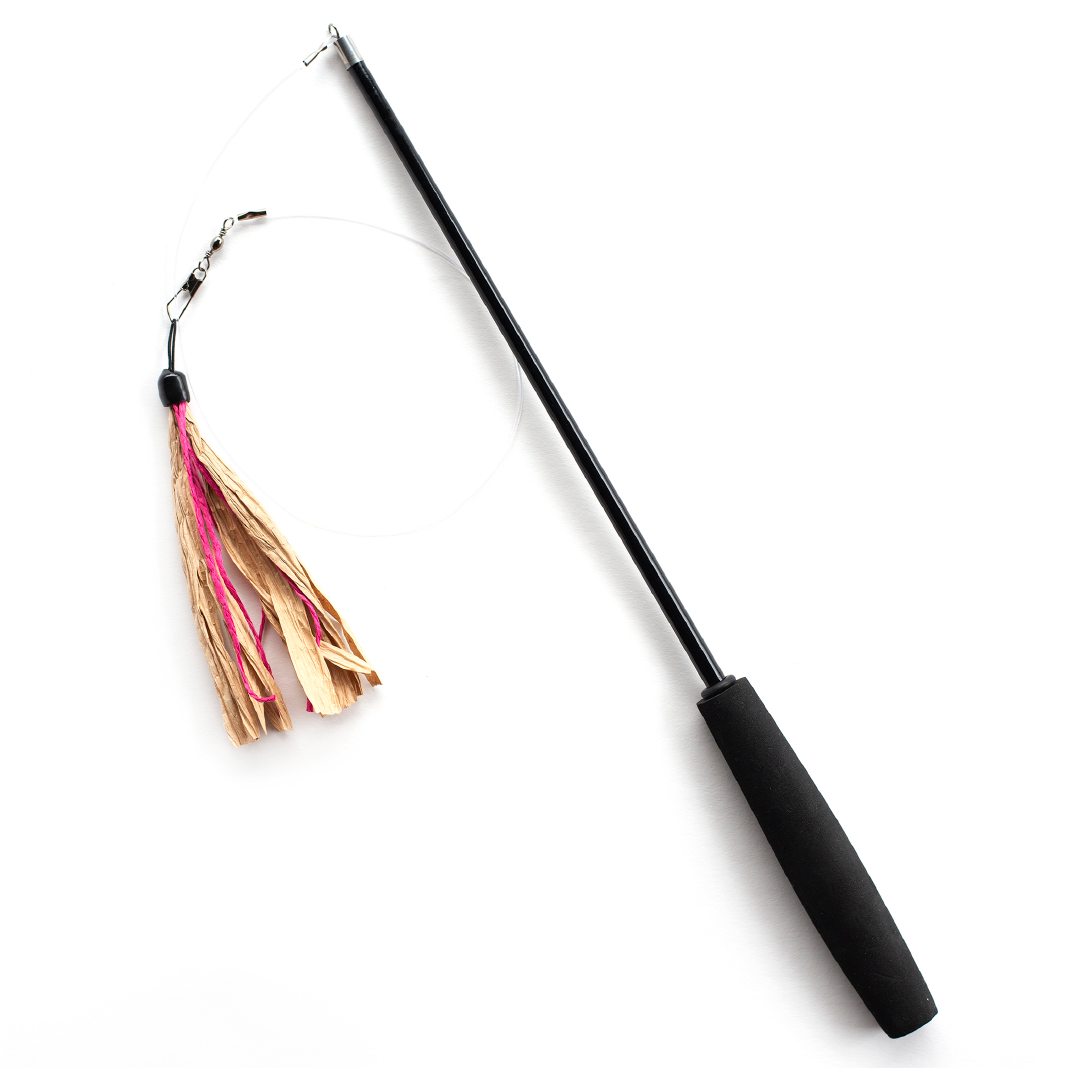
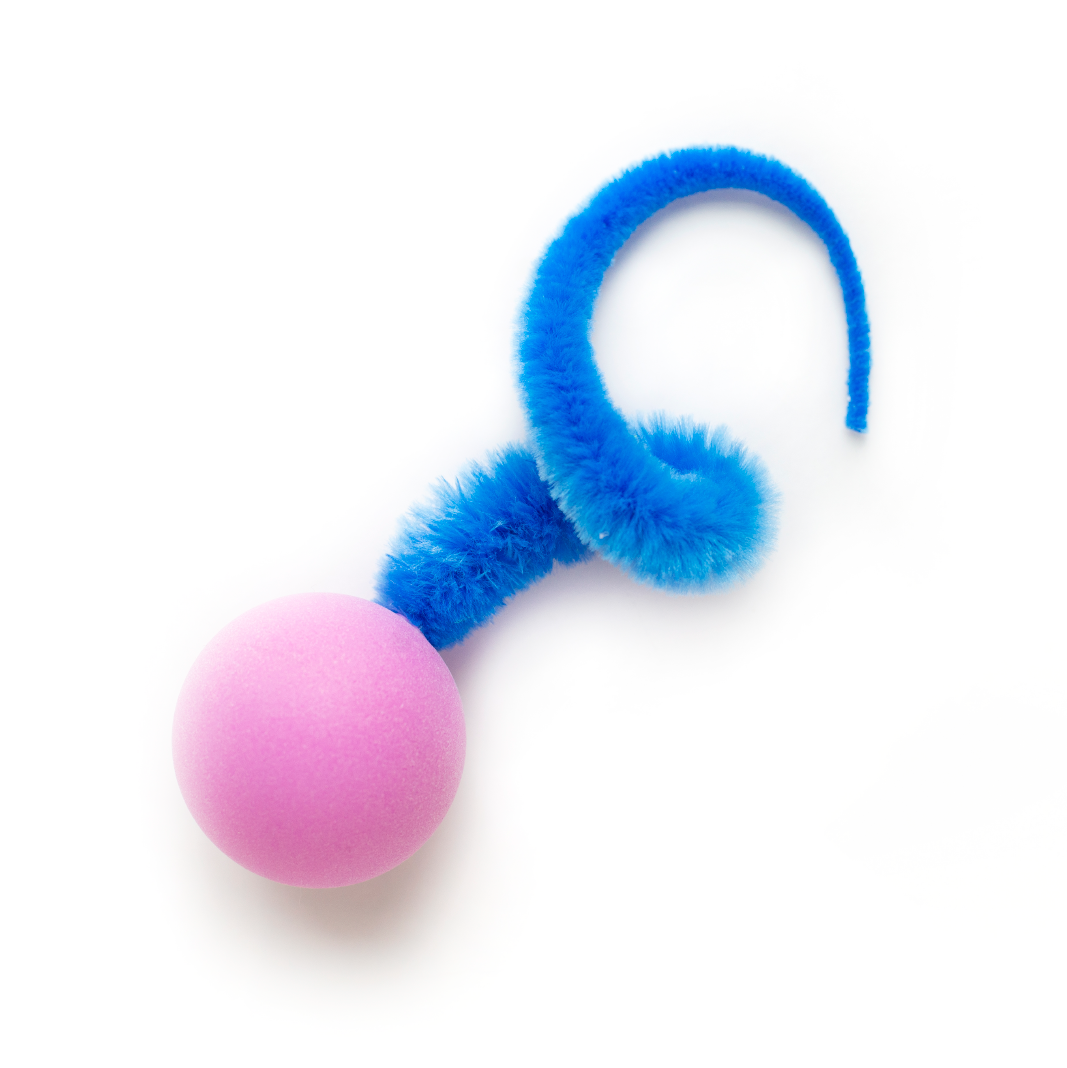
Try offering a clean cardboard box with packing materials removed, rotating familiar toys between different locations, or allowing your cat to investigate an appropriate new toy at their own pace.
You can also introduce cat-attracting scents such as catnip or silvervine using products designed for feline play.
Many cats enjoy sniffing, rubbing, rolling, or playing with objects that carry these scents. Others show only a little interest, and some prefer something else entirely.
Silvervine is one example of a plant that encourages scent-related behaviors in many cats. If you’re curious about how it works, our Complete Guide to Silvervine for Cats explains the science and offers practical guidance.
The important thing isn’t to create an exciting reaction every time.
It’s to give your cat opportunities to explore and decide what interests them.
Some Scents Are Worth Remembering
I still have my grandmother’s perfume bottles, and I suspect I always will.
They remind me how much meaning a familiar scent can carry.
For our cats, scent is an important part of recognizing the places, objects, and companions that make up their everyday lives.
We may never know exactly what a particular smell means to an individual cat. But we can respect how important those smells are and give our indoor kitties opportunities to explore their world through their noses.
After all, there’s a whole world of discovery waiting just one sniff away.
Do you have a favorite scent that brings back wonderful memories? We’d love to hear about it.
References
- Ellis SLH, et al. (2013). AAFP and ISFM Feline Environmental Needs Guidelines.
- Raihani G, et al. (2009). Olfactory guidance of nipple attachment and suckling in kittens.
- Rodan I, et al. (2024). AAFP Intercat Tension Guidelines.
- ASPCA Animal Poison Control. The Essentials of Essential Oils Around Pets.
Share:
1 comment
-
Both of my cats love Cloud Nine. Only one of my cats likes catnip. All I have to do is take the tin out of the drawer and I have two meowing boys begging for Cloud Nine. It gives us all hours of enjoyment – theirs playing and rubbing around, mine laughing at their antics!
Thank you, Dezi & Roo!
Margaret Babcock on